California residents may soon find that their driveway holds the key to home energy security. A landmark partnership between Tesla and PG&E has officially cleared the way for the electric pickup to do more than just drive. By transforming the vehicle into a personal power plant, this new approval aims to stabilise the local grid while offering a high-tech safety net for households during unexpected blackouts.
A Landmark Move for California’s Energy Independence
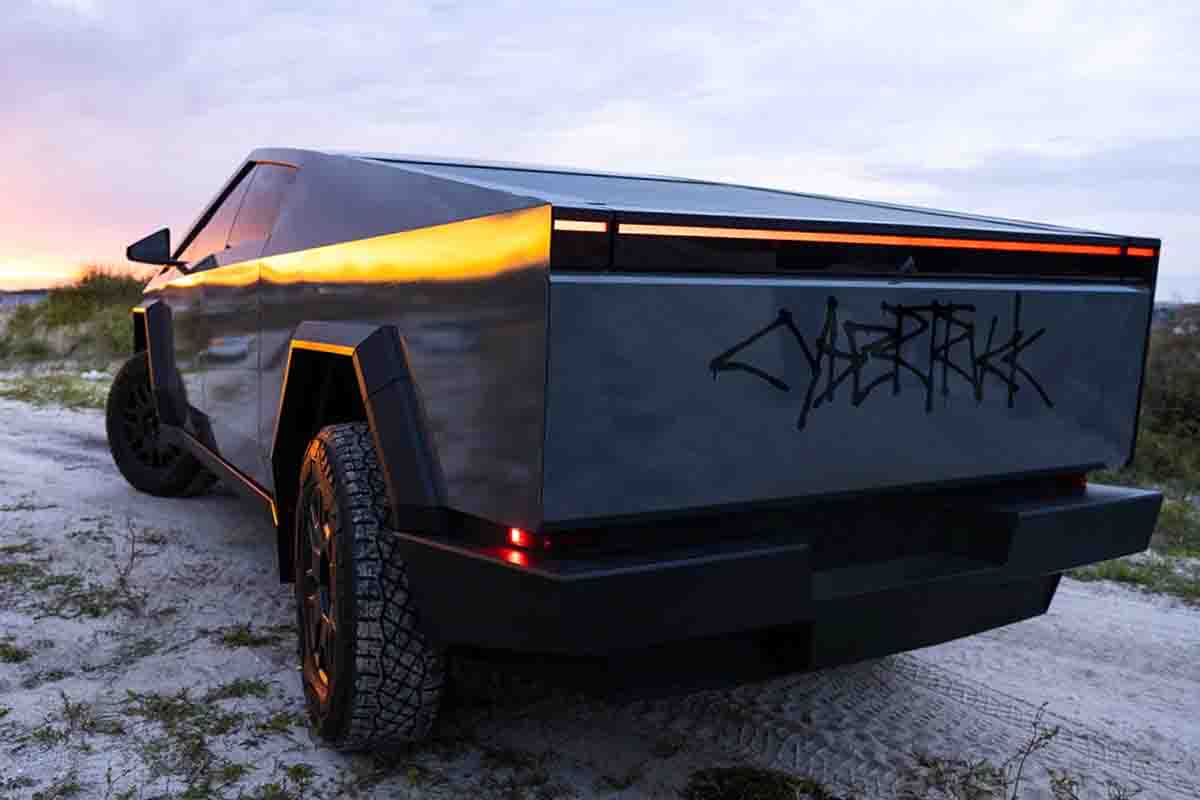
In a major step for energy independence, Tesla and PG&E have cleared the Cybertruck to participate in a residential trial that allows the vehicle to export electricity back to the local network. Owners who sign up for this Vehicle-to-Everything (V2X) initiative can even secure $4,500 in subsidies to help offset the expense of getting the necessary gear installed at home.
This development is a significant milestone as it marks the first time California has authorised an AC-connected power system for home use. By opting for this method, the setup remains more affordable and straightforward than the DC-based alternatives currently utilised by rivals like Ford and GM within the same trial.
.@Cybertruck, Tesla Powershare Gateway & Tesla Universal Wall Connector can now participate in PG&E’s residential Vehicle‑to‑Everything (V2X) program
Powershare Grid Support lets you power your home in an outage & earn money by selling power back to the electric grid during grid…
— Tesla Energy (@teslaenergy) April 20, 2026
“Electric vehicles can do more than move people—they can help power homes and support the grid,” said Jason Glickman, Executive Vice President of Strategy and Growth, PG&E. “By welcoming Tesla into our residential V2X program, we’re expanding customer choice while making California’s grid more flexible, resilient, and affordable.”
“Powershare Grid Support enables Tesla vehicles to strengthen our electricity system, while earning money for EV owners,” said Colby Hastings, Senior Director of Tesla’s Residential Energy business. “Our unique integrated architecture makes vehicle-to-grid dramatically cheaper than alternatives, and PG&E’s V2X program will accelerate customer adoption.”
Comparing Tesla’s Approach to Ford and GM’s Energy Systems
While PG&E’s trial has been active for some time, it previously focused on Ford’s F-150 Lightning and several GM electric models, such as the Chevrolet Silverado and Cadillac Lyriq. These existing setups depend on DC-powered hardware, which is often a heavy investment for homeowners, given that the specialised equipment can run anywhere from $6,000 to $10,000. By contrast, the newly approved system offers a different path that avoids these high-cost barriers.
Tesla has taken a distinct path by utilizing native AC power, allowing the truck to link directly with standard household electrical gear like the Powershare Gateway rather than bespoke DC systems. This choice strips away much of the technical complexity usually associated with such setups, leading to cheaper installation and a smoother fit with the wiring already found in most homes.
Focusing on AC technology is a vital move for widespread adoption, as DC chargers often demand pricey panel modifications and dedicated circuits that many people find prohibitive. By utilizing standard residential connections instead, this system wipes away the primary financial hurdles that typically prevent homeowners from joining energy-sharing schemes.
A Guide to Operating the New Energy System
Those owning a truck within the PG&E service area—which spans across much of Northern and Central California—are now eligible to join the trial to unlock two key functions. This allows for seamless home backup during local blackouts while also enabling the vehicle to provide vital support to the regional network when demand for electricity reaches its peak.
Participation is entirely voluntary, meaning motorists decide for themselves whether to join specific energy-saving windows managed by the state’s emergency reduction scheme. Users keep total authority over the amount of power they provide and can easily set minimum battery levels to ensure they always have enough charge left for their travels.
PG&E and @Tesla have just announced that the Cybertruck, Tesla Powershare Gateway and Tesla Universal Wall Connector have all been approved for participation in PG&E’s residential Vehicle‑to‑Everything (V2X) program, marking a major milestone for bidirectional EV integration in… pic.twitter.com/kjrF7kyLKO
— Sawyer Merritt (@SawyerMerritt) April 20, 2026
The scheme offers as much as $4,500 to help cover the price of two-way hardware and connection fees, alongside extra payments for every time a user helps support the network. Homeowners can also earn a loyalty reward for remaining in the project until it ends, though space is limited as the utility has only opened 1,000 slots for this residential trial.
Boasting a 123kWh battery that roughly equals the storage of nine Powerwalls, this vehicle serves as a formidable mobile power source for the state. Such a high capacity is crucial during the stifling summer evenings in California, as it provides a vital buffer when solar output fades just as the strain from air conditioning units begins to peak.
Strengthening the Regional Network Through Electric Transport
As the United States’ leading market for electric transport, California sees more EV motorists through the PG&E network than anywhere else in the country. This technology transforms these vehicles into versatile assets that can stabilise the grid, provide emergency household power, or act as flexible reserves when energy is needed most. Integrating Tesla’s latest products alongside existing options from Ford and GM reinforces the idea that these pickups are no longer just for travel, but are essential mobile batteries for the modern age.